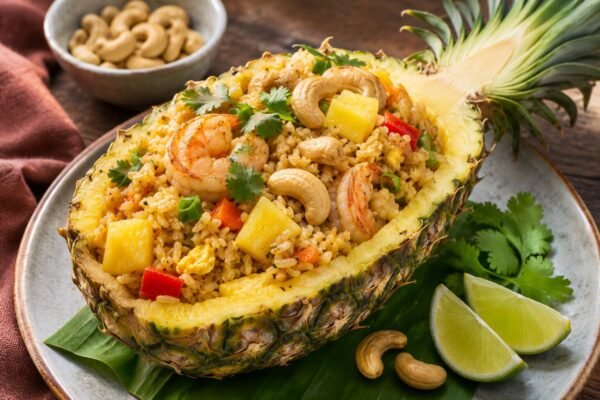

Thai green curry is a fragrant, gently spicy coconut curry with tender chicken, crisp vegetables and aromatic basil. This home-cook-friendly version uses store-bought green curry paste, then adds fresh aromatics and lime to give it a lively, layered flavor. Serve it over jasmine rice for a satisfying dinner.
Why this curry works
Green curry paste brings chilies, lemongrass, galangal, garlic, shallot and herbs together in one concentrated seasoning. Frying the paste briefly in coconut cream wakes up its aroma and lets its oils flavor the whole pot. Chicken thighs stay juicy during a quick simmer, while vegetables go in later so they keep a little bite. Fish sauce supplies savory depth; brown sugar rounds the heat; lime leaves and basil bring a fresh finish.
Brands of curry paste vary widely in salt and spice. Begin with a moderate amount, taste after the chicken cooks, and add more if you want stronger heat. The sauce should be fragrant and creamy but still pourable, not so thick that it coats the rice like a stew.
Ingredients
Serves: 4 Prep: 15 minutes Cook: 25 minutes
- 1 tablespoon neutral oil
- 2–3 tablespoons Thai green curry paste, to taste
- 1 can (13.5 oz/400 ml) full-fat coconut milk, divided
- 1 lb (450 g) boneless chicken thighs, cut into bite-size pieces
- 1 cup chicken stock or water
- 1 tablespoon fish sauce, plus more to taste
- 1 teaspoon palm sugar or light brown sugar
- 1 small eggplant, cut into bite-size pieces
- 1 red bell pepper, thinly sliced
- 1 cup snap peas or green beans
- 4 makrut lime leaves, torn (optional)
- 1 cup Thai basil leaves, plus more to serve
- 1 tablespoon lime juice
- 1 red chili, thinly sliced (optional)
- Jasmine rice, for serving
If makrut lime leaves or Thai basil are unavailable, use a strip of lime zest and regular basil. Fish sauce gives the most authentic savory note; soy sauce works for a vegetarian-style variation, though the flavor changes. For a vegan curry, replace chicken with tofu and vegetables, use vegetable stock, and season with soy sauce.
How to make Thai green curry
1. Fry the curry paste
Warm oil in a wide saucepan over medium heat. Scoop the thick cream from the top of the coconut milk can and add about ½ cup to the pan. Stir in curry paste and cook for 2–3 minutes, stirring, until fragrant and glossy. If the coconut milk is fully mixed, simply use a few tablespoons from the can. Keep the heat moderate so the paste blooms without scorching.
2. Cook the chicken
Add chicken pieces and turn them in the paste until coated. Cook for 3–4 minutes, just until the outside loses its raw color. Pour in the remaining coconut milk and stock. Add fish sauce, sugar and torn lime leaves. Bring to a gentle simmer; avoid a hard boil, which can cause the coconut sauce to separate.
3. Simmer the vegetables
Add eggplant and simmer for 6–8 minutes, until nearly tender. Stir in bell pepper and snap peas; cook another 3–4 minutes. The chicken should be cooked through and the vegetables tender but not limp. If the sauce is too thick, add a little stock or water. If it seems thin, simmer uncovered for a few minutes.
4. Finish and season
Turn off the heat and stir in basil leaves and lime juice. Taste the sauce: add fish sauce for salt and savory depth, sugar to soften excess heat, or lime for brightness. Rest for two minutes so the basil perfumes the curry. Garnish with extra basil and sliced chili if desired.
Flavor and texture tips
- Fry paste in coconut cream before adding liquid; this small step deepens the aroma.
- Use chicken thighs if possible. Breast meat cooks faster and can dry if simmered too long.
- Keep the curry at a gentle bubble; a rolling boil can split the coconut milk.
- Add quick-cooking vegetables near the end so they stay colorful and crisp-tender.
- Balance salty, sweet, spicy and sour flavors at the end rather than guessing from the paste alone.
Variations
Swap chicken for shrimp, adding peeled shrimp during the final 3–4 minutes, or use firm tofu and mushrooms for a meat-free bowl. Bamboo shoots, zucchini, baby corn and Thai eggplant are all good additions. For a milder family meal, start with one tablespoon of paste and pass extra chili at the table. A handful of spinach can be stirred in after turning off the heat.
Serving and storing
Spoon curry over hot jasmine rice and serve with lime wedges. Cucumber salad or quick-pickled vegetables provide a cool, crunchy contrast. If serving family-style, keep the rice separate so it does not absorb all the sauce.
Refrigerate leftovers in a sealed container for up to three days. Reheat gently on the stove, stirring and adding a splash of water or coconut milk if the sauce has thickened. The basil darkens after storage, so add fresh leaves and a squeeze of lime when serving again. Freeze for up to two months, although vegetables may soften after thawing; for best texture, freeze only the curry base and add fresh vegetables when reheating.
Frequently asked questions
Is Thai green curry very spicy?
It can be, depending on the curry paste and amount used. Start small, taste after simmering, and adjust gradually.
Can I make it ahead?
Yes. Cook the curry without basil and lime, refrigerate, then reheat and add those fresh ingredients just before serving.
Can I use light coconut milk?
You can, but the sauce will be thinner and less rich. Simmer gently and use less stock to keep a creamy consistency.
What if I do not have fish sauce?
Use soy sauce or a vegetarian fish sauce alternative. Add a little at a time and taste for salt.