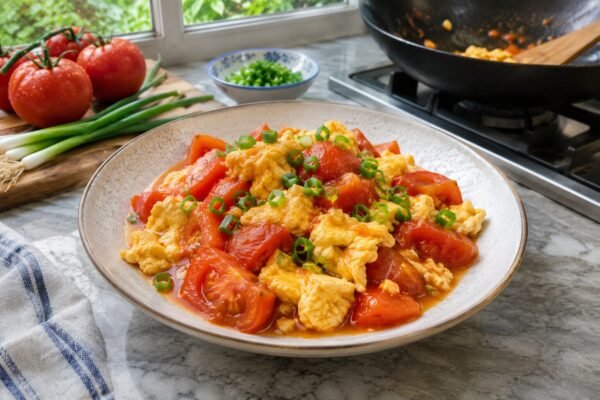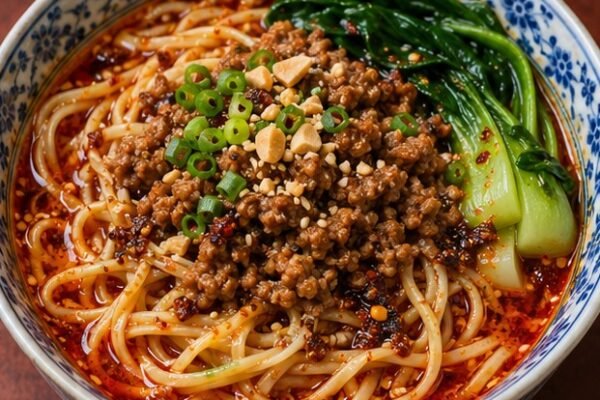

Mapo tofu is a Sichuan dish known for soft tofu, savory meat, fermented bean paste, and the fragrant heat of Sichuan peppercorns. This home version keeps the defining contrast of silky tofu and bold sauce while making the spice level adjustable. Serve it over steamed rice, which softens the heat and catches every spoonful of sauce.
On this page
- Ingredients
- Recipe card
- Building the sauce
- Preparing tofu
- Adjusting heat
- Storage and serving
- Frequently asked questions
Ingredients for Mapo Tofu
Soft or medium tofu gives the dish its characteristic tender texture. Very firm tofu will hold its shape but feels less delicate in the sauce. Ground pork is common in many versions; ground beef, turkey, or finely chopped mushrooms can be used as alternatives. Doubanjiang, a fermented broad bean and chile paste, provides the salty, savory backbone. Different brands vary widely in salt and heat, so start modestly and adjust.
Sichuan peppercorns are not the same as black pepper. They bring a citrusy aroma and a tingling sensation. Toasting them briefly and grinding them fresh makes their character more vivid. Garlic, ginger, scallions, soy sauce, and a little stock round out the sauce. Cornstarch mixed with cold water thickens it enough to coat the tofu without making it gluey.
Sichuan Mapo Tofu Recipe
Prep: 15 minutes Cook: 15 minutes Serves: 4
Ingredients
- 1 block soft or medium tofu, about 14 ounces
- 8 ounces ground pork or finely chopped mushrooms
- 1 tablespoon neutral oil
- 1 tablespoon doubanjiang, plus more to taste
- 2 garlic cloves, finely chopped
- 1 teaspoon grated fresh ginger
- 1 cup low-sodium chicken or vegetable stock
- 1 tablespoon soy sauce
- 1 teaspoon sugar
- 1 teaspoon cornstarch mixed with 1 tablespoon cold water
- ½ teaspoon toasted, ground Sichuan peppercorns, divided
- 2 scallions, thinly sliced
- Steamed rice, for serving
Instructions
- Cut tofu into ¾-inch cubes. Warm it in a saucepan of lightly salted water over low heat for 2 minutes, then drain gently. This helps season it and makes handling easier.
- Heat oil in a wok or wide skillet over medium-high heat. Add pork and cook, breaking it apart, until browned. For a mushroom version, cook until its released moisture evaporates.
- Lower heat to medium. Stir in doubanjiang and cook for 30 seconds until fragrant. Add garlic and ginger; stir briefly so they do not burn.
- Pour in stock, soy sauce, and sugar. Bring to a gentle simmer. Carefully add tofu and spoon sauce over it; simmer 4 to 5 minutes without vigorous stirring.
- Stir cornstarch slurry again and drizzle it in while gently shaking the pan. Simmer until glossy and lightly thickened. Finish with half the Sichuan pepper and scallions. Serve with rice and remaining pepper to taste.
Build a Deep, Balanced Sauce
Doubanjiang is concentrated, so cooking it briefly in oil helps distribute its flavor through the whole dish. Do not fry it over high heat for long; a short bloom is enough. If your paste is especially salty, reduce soy sauce and use unsalted stock. A small pinch of sugar rounds out the sharp edges but should not make the dish sweet. Taste after the tofu simmers because it absorbs seasoning from the sauce.
The sauce should cling lightly to tofu, not pool like soup and not become thick like gravy. Cornstarch slurry is easier to control than adding dry starch directly. Mix it again right before pouring because the starch settles at the bottom. Add only part at first, simmer for a few seconds, then decide whether the consistency needs more. The sauce thickens a little as it cools.
For more aroma, toast whole Sichuan peppercorns in a dry pan for a minute until fragrant, cool them, and grind them. Remove any black seeds or stems if present because they can taste bitter. If you only have ground Sichuan pepper, add it near the end so its fragrance stays lively. A little toasted sesame oil can be added off the heat, though it is optional and not a replacement for peppercorns.
Keep Tofu Tender and Intact
Soft tofu is delicate. Cut it with a thin knife and transfer the cubes using a flexible spatula or your hand. Warming it in lightly salted water firms its outside slightly and makes it easier to add. Drain carefully and avoid pressing it, since pressing would remove the tender texture this dish is meant to have. Medium tofu is a practical middle ground if you are new to cooking with soft tofu.
Once tofu enters the sauce, stir as little as possible. Instead of moving a spoon through the cubes, tilt or shake the pan gently so the sauce reaches each side. A wide skillet gives the tofu room and reduces breakage. Keep the simmer gentle; a hard boil can crumble the cubes. If a few pieces break, the flavor will still be excellent, but the sauce may become more opaque and thick.
Serve soon after cooking. Tofu continues to absorb the sauce as it rests, which can make the dish saltier and thicker. If it sits for a few minutes, loosen it with a splash of warm stock or water and taste again before serving. Keep hot rice ready so the mapo tofu does not need to wait.
Adjusting Spice and Making Variations
Doubanjiang and Sichuan pepper create different sensations: chile heat and peppercorn tingling. Adjust them separately. Use less doubanjiang for a milder sauce and pass extra at the table. Toasted ground Sichuan pepper can be sprinkled on each bowl so guests can choose the amount. If the dish is too hot, serve it with extra rice and a mild vegetable. Dairy is not a traditional pairing, and adding water alone will dilute flavor rather than remove chile.
For a meatless version, use finely chopped mushrooms, crumbled tempeh, or a plant-based mince. Brown it well so it develops savory flavor before adding the paste. Vegetable stock keeps the dish vegetarian; check the doubanjiang label because recipes and manufacturers differ. Add a little extra soy sauce only after tasting. A teaspoon of fermented black beans can deepen flavor if you already have them in the pantry.
Mapo tofu is best as a main dish with rice and a simple vegetable such as steamed greens, sautéed bok choy, or cucumber salad. Keep side dishes lightly seasoned because the tofu sauce is assertive. See more in our Chinese-inspired recipe collection and browse more weeknight meals.
Storage and Food Safety
Refrigerate leftovers promptly in a covered container and use within three to four days. The tofu may soften further and the sauce may thicken while chilled. Reheat gently on the stove with a splash of stock or water, shaking the pan rather than stirring hard. Reheat until steaming throughout. Cooked rice should be cooled and refrigerated promptly in a separate container.
For current food storage recommendations, consult the FoodSafety.gov cold storage charts. Use clean utensils when serving and avoid leaving cooked food at room temperature for extended periods. If using ground pork or another raw meat, keep it separate from ready-to-eat garnishes and wash hands and surfaces after handling.
Mapo tofu is not ideal for freezing because soft tofu can become grainy and release water after thawing. If you want to prepare ahead, make the sauce with the meat and aromatics, chill it safely, then warm it and add fresh tofu just before serving. This keeps the tofu texture closer to freshly cooked.
Frequently Asked Questions
Is mapo tofu always very spicy?
No. Heat depends on the amount and brand of doubanjiang and Sichuan pepper. Start with less and add more to individual servings.
Can I use firm tofu?
Yes. Firm tofu is easier to handle, though the texture will be less silky than the classic soft or medium tofu.
What can replace doubanjiang?
There is no exact substitute. A mix of miso and chile paste can create a savory, spicy sauce, but the flavor will differ from fermented broad bean paste.
Can I make it vegetarian?
Yes. Use mushrooms or plant-based mince and vegetable stock. Check labels on fermented pastes to confirm they fit your diet.
What should I serve with mapo tofu?
Steamed rice is the natural pairing. Add a simple green vegetable or cucumber salad to balance the rich, spicy sauce.